


Skip to content
Back to results

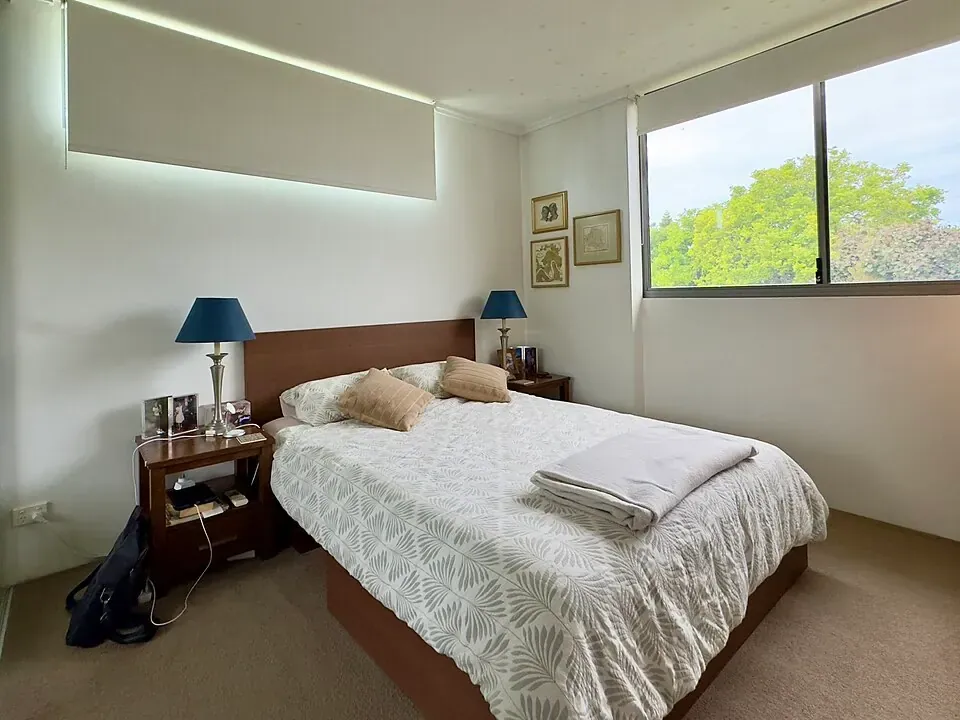
Keep the bedroom dark, quiet and comfortably cool

Arranging the bedroom so that it is dark, low in noise and not too warm during the sleep period.

At a glance

  • Evidence: Night-time transportation noise is directly associated with sleep disturbance in a dose-response relationship graded moderate by WHO, but no trial has shown that quietening a bedroom improves sleep.Sleep disturbance from night-time noise exposure · Moderate certainty · Observational association
  • What’s uncertain: Evidence differs for noise, temperature, light and ventilation; no study tests the complete bedroom package or a universal CO2 threshold.
  • First step: Address the main noise source: seal door or window gaps, move the bed away from the noisy wall, or consider earplugs.
  • Before you try it: Do not use earplugs as a way to ignore a smoke alarm, a child, or another safety-relevant sound; keep the volume of any masking sound low enough that you could still hear an alarm. All precautions
Read the full takeaway

Noise, temperature, and light

Assess noise, temperature, light and ventilation separately. Noise is the strongest leg: the WHO systematic review and its 2022 update both graded the evidence for traffic-noise-induced self-reported sleep disturbance and cortical awakenings as moderate, with roughly doubled odds of being highly sleep disturbed per 10 dB increase in night-time noise, and a 35,226-person prospective cohort found 23% greater odds of short sleep at night-time aircraft noise of 45 dB(A) or above. Temperature is moderately supported but rests mostly on seasonal observation and small laboratory studies rather than field trials; the mechanism is clear and heat demonstrably degrades sleep. Light is the weakest leg for sleep outcomes specifically: the evidence is cross-sectional, and we could not retrieve any trial of blackout curtains or a darkened bedroom in a normal home setting.

Ventilation and direct-study limits

Direct studies of ventilation add a limited fourth component. A controlled field study in 29 bedrooms found less deep sleep and more awakenings under lower ventilation in subsets where ventilation conditions clearly differed, but no cognitive-performance benefit. A small experiment in 16 older adults also found improvements in deep and REM sleep with ventilation. These studies do not establish a universal bedroom CO2 threshold, isolate CO2 from other ventilation-related changes or test the whole quiet/cool/dark/ventilated package. The evidence for ordinary-home changes to noise, temperature and light remains largely indirect.

Sleep-hygiene context

The most important framing point is that the leading review of sleep hygiene found that although individual recommendations are generally associated with better sleep, their direct effects remain largely untested in the general population, and a meta-analysis of sleep-hygiene education found no trial that compared it against sham or no treatment at all.

SleepUnder 10 min · Easy · Moderate
Reviewed Oct 3, 2026
Save

Scientific evidence

What the research shows

Outcome assessments based on research, including its uncertainties and limitations.

Sleep disturbance from night-time noise exposure

Finding: Benefit supportedCertainty: Moderatestudies found a benefit from doing this

Evidence basis: observational studies (association, not proof of cause)

Night-time transportation noise is directly associated with sleep disturbance in a dose-response relationship graded moderate by WHO, but no trial has shown that quietening a bedroom improves sleep.

Population: The WHO review and its update pooled studies of adults living near road, rail and air traffic across Europe and beyond, with the 2022 update drawing on 109,070 survey responses in 11 added studies plus 64,090 responses from the original 25 studies, alongside pooled polysomnographic studies of acute noise effects. The cohort evidence comes from 35,226 female nurses averaging 66.1 years of age at baseline in the United States-based prospective Nurses' Health Study.

Research details

Summary

Night-time transportation noise is one of the better-measured environmental exposures in sleep research. The 2022 WHO systematic review update found odds of being highly sleep disturbed roughly two and a half times higher per 10 dB increase in night-time road traffic noise (OR 2.52, 95% CI 2.28-2.79), with the evidence graded moderate, and the original 2018 review reached the same conclusions for self-reported sleep disturbance and cortical awakenings. An independent prospective cohort of 35,226 participants found 23% greater odds of short sleep duration at night-time aircraft noise of 45 dB(A) or above (95% CI 7% to 40%). These are direct measurements of the exposure-outcome relationship, not a proxy for it. What none of them does is test the habit: no retrieved study randomised anyone to reduce bedroom noise in an ordinary home and measured sleep, so the inference from 'noise is associated with worse sleep' to 'quietening your bedroom will improve your sleep' is reasonable and untested.

Why this certainty

Rated Moderate: the direction is consistent across a WHO systematic review, its 2022 update and an independent prospective cohort, the dose-response gradient is present rather than absent, and the WHO synthesis graded the underlying evidence moderate for both self-reported sleep disturbance and cortical awakenings. It is not Strong because the exposure measurement is environmental rather than personal, the principal outcome is self-reported, and the whole body of work is observational. It is not lower because this is a directly measured exposure-outcome relationship with a graded effect, which is a stronger position than an evidence gap - and the absence of an intervention trial is recorded as a limitation on what the finding can support, not used to downgrade the finding itself.

Limitations

The exposure is environmental noise measured outside the home or modelled from address, not the noise level at the sleeper's ear, so individual exposure is misclassified and the indoor contribution of windows, building fabric and masking sound is not captured. The outcome in the WHO syntheses is self-reported sleep disturbance, which is sensitive to noise sensitivity and to expectations; the objective findings concern cortical awakenings and sleep-stage change rather than health outcomes. The aircraft-noise cohort is observational, so residents near airports differ from other people in ways the analysis cannot fully adjust for. Crucially, no intervention study in a normal home setting was retrieved, so nothing here establishes the size or even the existence of the benefit from quietening a bedroom, and the effect of habituation over years of exposure is not resolved.

Effect estimate

Odds ratio for being highly sleep disturbed 2.52 (95% CI 2.28, 2.79) per 10 dB increase in night-time road noise in the 2022 WHO update, and 23% (95% CI 7%, 40%) greater odds of short sleep duration at night-time aircraft noise of 45 dB(A) or more

Sleep quality in relation to bedroom heat and body temperature

Finding: Benefit supportedCertainty: Limitedstudies found a benefit from doing this

Evidence basis: indirect evidence, not a direct test of this exact habit

Heat measurably degrades sleep and mild skin warming deepens it, but no trial establishes what a comfortably cool bedroom actually is.

Population: The seasonal evidence comes from 19 healthy elderly volunteers followed within-subject with five consecutive days of wrist actigraphy and continuous logging of home bedroom temperature and humidity, with skin temperature recorded over two nights. The skin-temperature manipulation study used a thermosuit in young, elderly and insomniac participants. The cooling trial randomised 16 male subjects in a laboratory at 32 degrees C.

Research details

Summary

In 19 healthy elderly volunteers monitored at home across seasons, total sleep time fell in summer to 350.8 +/- 15.7 minutes against 426.5 +/- 14.2 minutes in winter and 403.2 +/- 16.4 minutes in fall, while actigraphically derived sleep efficiency fell significantly in summer to 81.4 +/- 2.9% compared with 91.6 +/- 1.3% in winter and 90.2 +/- 1.2% in fall, and bedroom temperature and humidity rose in summer. Skin temperature appears to be a genuine causal lever rather than a passive marker: manipulating in-bed skin temperature with a thermosuit showed that an increase of only 0.4 degrees C, without altering core temperature, suppressed nocturnal wakefulness (P<0.001) and shifted sleep to deeper stages (P<0.001) in young and especially elderly healthy and insomniac participants, almost doubling the proportion of slow wave sleep in elderly subjects and reducing the probability of early morning awakening from 0.58 to 0.04. In a randomised laboratory trial at a room temperature of 32 degrees C, cooling the back and head raised mean sleep efficiency from 84.6% with no cooling to 95.3% and 92.8%.

Why this certainty

Rated Limited because the direction of effect is clear and mechanistically coherent across independent designs, but every source is either observational and seasonally confounded or a small laboratory study, and nothing tests the specific claim that a comfortably cool bedroom improves sleep in ordinary conditions. It is not rated Very limited because the sleep-efficiency and slow-wave-sleep effects are large, objective and consistent in direction across studies. It cannot be rated higher because the field-trial evidence that would establish a bedroom set-point does not exist in what was retrieved.

Limitations

The seasonal study is observational and cannot separate bedroom temperature from day length, humidity, activity patterns and seasonal behaviour, and its participants were elderly people who are known to have an attenuated behavioural response to suboptimal temperature. The thermosuit work manipulates skin temperature directly and is therefore a demonstration that the mechanism exists rather than evidence that adjusting a room achieves the same effect, and the abstract does not state that participants were randomised, so it should not be described as a randomised trial. The cooling trial is small, male-only and conducted at an extreme 32 degrees C, so it speaks to heat rather than to whether a comfortably cool room is better than a merely adequate one. No meta-analysis of bedroom temperature and sleep, and no large trial of air conditioning on sleep in the general population, was retrieved.

Effect estimate

Actigraphic sleep efficiency 81.4 +/- 2.9% in summer versus 91.6 +/- 1.3% in winter in elderly participants, and sleep efficiency 84.6% with no cooling versus 95.3% with back and head cooling at a room temperature of 32 degrees C

Sleep and insomnia in relation to bedroom light at night

Finding: Insufficient direct evidenceCertainty: Very limitedthis has not been directly tested

Evidence basis: observational studies (association, not proof of cause)

Higher bedroom light at night tracks with insomnia and worse actigraphy, but this is cross-sectional only and no trial shows that darkening a bedroom helps.

Population: The bedroom light evidence comes from the HEIJO-KYO cohort of 857 elderly community-dwelling participants who had bedroom light intensity measured objectively alongside the Pittsburgh Sleep Quality Index, actigraphy and urinary 6-sulfatoxymelatonin. The outdoor light evidence comes from 51,562 women in the California Teachers Study with self-reported sleep obtained in 2012-2015 and spatially derived exposure estimates. No intervention study in a normal population was retrieved.

Research details

Summary

In the HEIJO-KYO cohort, the highest quartile of measured bedroom light-at-night intensity was associated with a significantly higher odds ratio for subjective insomnia in a model adjusted for age, gender, body mass index, daytime physical activity, urinary 6-sulfatoxymelatonin excretion, bedtime, rising time and day length (adjusted OR 1.61, 95% CI 1.05-2.45, p=0.029), and the odds rose significantly across quartiles (p for trend=0.043). The same study found significant trends between higher light-at-night quartiles and poorer actigraphic sleep quality, including decreased sleep efficiency, prolonged sleep-onset latency, increased wake after sleep onset, shortened total sleep time and delayed sleep midpoint (all p for trend<0.001). In the California Teachers Study, outdoor artificial light at night was associated with shorter sleep duration (OR 1.13 per 5 millicandela/m2, 95% CI 1.07, 1.20) among 51,562 women. The limiting finding is that no randomised or controlled trial of blackout curtains or a darkened bedroom on sleep in a normal population was retrieved, and the leading sleep-hygiene review states that the direct effects of individual recommendations on sleep remains largely untested in the general population.

Why this certainty

Rated Very limited and recorded as Insufficient direct evidence, in the sense that the literature cannot resolve the question rather than that nobody has looked. Although the associations are statistically significant and one is dose-dependent, both designs are cross-sectional, so they cannot distinguish light causing poor sleep from poor sleep causing lights to be left on, one exposure measure is satellite photometry that its own source says is unrelated to personal light exposure, and no intervention study in a normal home setting was retrieved. It is not rated Not assessed because real, quantified associations exist and are worth reporting. It cannot be rated higher because the direction of the association is genuinely unresolved.

Limitations

Both cited light sources are cross-sectional, so reverse causation is uncontrolled: people with insomnia are more likely to leave lights on, use devices in bed or need a nightlight, which would produce the same association without light causing the problem. The California Teachers Study measured outdoor artificial light at night by satellite rather than personal indoor exposure, and Rea 2011 measured light at bedroom windows and at the cornea and concluded that satellite photometry is unrelated to personal light exposures as they might affect melatonin suppression or circadian disruption, so that study is plausibly misclassified. The HEIJO-KYO finding is an association in elderly Japanese adults and may not generalise. Most importantly, no trial was found in which bedrooms were darkened and sleep measured, so the causal question is untested.

Effect estimate

Adjusted odds ratio for subjective insomnia 1.61 (95% CI 1.05-2.45) comparing the highest with the lowest quartile of measured bedroom light-at-night intensity

Sleep quality with improved bedroom ventilation

Finding: Benefit supportedCertainty: Limitedstudies found a benefit from doing this

Evidence basis: indirect evidence, not a direct test of this exact habit

Small controlled studies suggest ventilation can improve some sleep measures.

Population: Participants in 29 mechanically ventilated bedrooms and 16 adults over 65 in experimental bedrooms.

Research details

Summary

A four-week study altered mechanical ventilation in 29 actual bedrooms. In 12 bedrooms with clear differences across all conditions, lower ventilation was associated with less deep sleep, more light sleep and more awakenings; a 23-bedroom high/low comparison also found less deep sleep under low ventilation. No cognitive-performance differences were observed. In a separate 16-person experiment in adults over 65, ventilation increased deep sleep by 10.3 minutes and REM sleep by 3.7 minutes.

Why this certainty

Limited because small controlled field and experimental studies support a sleep signal, but study design, subset analysis and generalizability constrain confidence. Indirect evidence describes the adaptation to unsupervised home ventilation, rather than implying a verified randomized trial.

Limitations

The field findings depend on subsets with measurable ventilation differences; wearable-derived stages are approximate. The retrieved abstracts do not establish random allocation. Ventilation changed CO2 and humidity or other pollutants, so these are not isolated CO2 experiments or a validated home-monitor threshold.

Effect estimate

In the 16-person experiment, ventilation increased deep sleep by 10.3 min and REM sleep by 3.7 min; confidence intervals were not reported in the abstract.

What people say

Who discusses this?

Public statements, with positions specific to each source and topic. These views do not determine the scientific evidence assessment.

What the research shows ↑
Show more (1)

Practical steps and precautions

How to try it

  1. Attack noise first, because it has the best evidence and the clearest exposure-response: address the dominant source by sealing gaps around the door and window, moving the bed away from the noisier wall, or using earplugs, and consider that night-time transportation noise above roughly 45 dB(A) is the level at which short sleep duration has been observed to increase.
  2. Aim for a comfortably cool room and check whether ventilation can safely be improved through an existing vent, fan or window. Account for outdoor pollution, noise, temperature and security; a podcast CO2 number is not a universal medical threshold.
  3. For darkness, reduce the light you control - cover or remove standby LEDs, use curtains that actually meet in the middle, and keep a dim nightlight rather than a bright one if you need to see - while recognising that this step is the least well evidenced of the three.
  4. Change one component at a time and judge it on your sleep over a couple of weeks. Noise, temperature, light and ventilation have different evidence; the complete package has not been tested as one intervention.

Precautions

  • Do not use earplugs as a way to ignore a smoke alarm, a child, or another safety-relevant sound; keep the volume of any masking sound low enough that you could still hear an alarm.
  • Treat persistent insomnia as a condition to be assessed rather than an environment problem to be optimised; sleep-hygiene advice has been shown to be less effective than cognitive behavioural therapy for insomnia and has never been tested against no treatment, so continuing to rearrange the bedroom is not a substitute for getting help.
  • Take care with supplementary heat sources such as electric blankets and hot water bottles, particularly for infants, older adults and anyone who cannot reliably move away from a heat source, and avoid making the bed itself hot in an attempt to warm a cold room.
  • If bedroom noise cannot be reduced and you are using earplugs nightly, keep them clean and check with a clinician if you develop ear pain, discharge or irritation.

References

WHO Environmental Noise Guidelines for the European Region: A Systematic Review on Environmental Noise and Effects on Sleep.

Basner M, McGuire S · International journal of environmental research and public health · 2018

Systematic review and meta-analysis with GRADE assessmentVerified from full text
Open original source

Environmental Noise and Effects on Sleep: An Update to the WHO Systematic Review and Meta-Analysis.

Smith MG, Cordoza M, Basner M · Environmental health perspectives · 2022

Systematic review and meta-analysis (update of the WHO review)Verified from full text
Open original source

Associations between Aircraft Noise Exposure and Self-Reported Sleep Duration and Quality in the United States-Based Prospective Nurses' Health Study Cohort.
Bozigar M, Huang T, Redline S, Hart JE, Grady ST, Nguyen DD, James P, Nicholas B, Levy JI, Laden F, Peters JL · Environmental health perspectives · 2023

Prospective cohort studyVerified from full text
Open original source

Effects of season on sleep and skin temperature in the elderly.

Okamoto-Mizuno K, Tsuzuki K · International journal of biometeorology · 2010

Within-subject observational field study across seasonsVerified from abstract
Open original source

Skin deep: enhanced sleep depth by cutaneous temperature manipulation.

Raymann RJ, Swaab DF, Van Someren EJ · Brain : a journal of neurology · 2008

Experimental within-subject skin temperature manipulation using a thermosuit (randomisation not stated in the retrieved abstract)Verified from abstract
Open original source

Local body cooling to improve sleep quality and thermal comfort in a hot environment.

Lan L, Qian XL, Lian ZW, Lin YB · Indoor air · 2018

Randomised controlled trial in a laboratory at 32 degrees CVerified from abstract
Open original source

Association between light exposure at night and insomnia in the general elderly population: the HEIJO-KYO cohort.

Obayashi K, Saeki K, Kurumatani N · Chronobiology international · 2014

Cross-sectional community-based studyVerified from abstract
Open original source

Environmental Influences on Sleep in the California Teachers Study Cohort.

Zhong C, Longcore T, Benbow J, Chung NT, Chau K, Wang SS, Lacey JV, Franklin M · American journal of epidemiology · 2022

Cross-sectional analysis of self-reported sleep within an established cohortVerified from full text
Open original source

The role of sleep hygiene in promoting public health: A review of empirical evidence.

Irish LA, Kline CE, Gunn HE, Buysse DJ, Hall MH · Sleep medicine reviews · 2015

Review of empirical evidence for sleep hygiene recommendationsVerified from full text
Open original source

Measurements of light at night (LAN) for a sample of female school teachers.

Rea MS, Brons JA, Figueiro MG · Chronobiology international · 2011

Personal light dosimetry study comparing satellite photometry with measured bedroom and corneal light exposureVerified from abstract
Open original source

A single-blind field intervention study of whether increased bedroom ventilation improves sleep quality.

Fan X, Liao C, Matsuo K, Verniers K, Laverge J, Neyrinck B, Pollet I, Fang L, Lan L, Sekhar C, Wargocki P. · The Science of the total environment · 2023

Four-week controlled ventilation field study in 29 bedrooms; balanced condition orderVerified from abstract
Open original source

Experimental study of the negative effects of raised bedroom temperature and reduced ventilation on the sleep quality of elderly subjects.

Yan Y, Zhang H, Kang M, Lan L, Wang Z, Lin Y. · Indoor air · 2022

Controlled 2 × 2 temperature/ventilation experiment in 16 adults over 65Verified from abstract
Open original source

Community

Discussion

Have you tried this? What helped or made it difficult?

Reader experiences are separate from the scientific evidence. Explore all discussions

No discussions yet.

Be the first to ask a question or share your experience.

Sign in to vote or join the discussion.

Explore other habits in a shared category. Each has its own evidence and precautions.

Editorial history and review method

Revision 9 · Approved for publication · Codex (publication approval explicitly authorized by site owner; category migration)

Prepared and checked with AI. Publication approval does not imply independent expert review. Request a correction.

Applied the audit corrections for bedroom-sleep-environment. Two outcome labels were wrong. (1) bedroom-thermal-environment carried 'Mixed evidence' for directionally consistent evidence - heat degrades sleep, mild skin warming deepens it, local cooling in a hot room raises efficiency - and the entry's own certainty rationale called the direction clear; Mixed evidence is reserved for genuinely conflicting results, so it is now 'Benefit supported'. (2) transportation-noise-and-sleep-disturbance carried 'Benefit supported' for exposure-only evidence while the directly parallel light outcome was labelled 'Insufficient direct evidence'. One directness rule is now applied to both: a finding is labelled Insufficient direct evidence unless a study tested the behaviour. The rule chosen is 'was the behaviour tested' rather than 'was the exposure-outcome relation measured', because the catalogue spec requires that findings describe doing the habit rather than the harm of the exposure being avoided, and because the same rule is applied to phone-out-of-bedroom in this pass. The noise outcome therefore keeps its verified numbers, its GRADE detail and Moderate certainty - which now explicitly rate how well the harm of the exposure is measured, not the benefit of the habit - and gains a directness sentence in its summary and headline. Third, the light outcome's limitations claimed 'a retrieved validity source' for the satellite-photometry problem without attaching one; Rea 2011 (doi 10.3109/07420528.2011.602198) is now stored and cited by name. Fourth, 'Both light sources are cross-sectional' was narrowed to 'Both cited light sources', since it was a claim about the literature rather than about the two cited studies. The corrupted zhong-2022-alan-sleep stored fact had already been repaired by the parent and was NOT touched. Second reviewer must re-check: (a) whether the editor accepts the behaviour-tested directness rule, since it moves the card outcome to Insufficient direct evidence despite moderate-GRADE exposure evidence; (b) that Irish 2015's evidence-gap statement is not presented as light-specific, since its component list does not include light; (c) that Lan 2018 is still described as a randomised laboratory trial on the strength of the Europe PMC publication type only, as the abstract does not state randomisation and the full text is paywalled; (d) that Rea 2011 is recorded at abstract access level even though Europe PMC reports open-access full text, because only the abstract was read. Directness pass: the night-time-noise outcome is no longer labelled Insufficient direct evidence. The exposure-outcome relationship is directly measured at moderate GRADE quality, so the finding is Benefit supported and the untested part - that quietening a bedroom improves sleep - is stated in the headline, summary, limitations and certainty rationale. The bedroom-light outcome keeps Insufficient direct evidence deliberately, because there the evidence is cross-sectional only and cannot resolve direction. The review's page-level claim is unchanged. A second reviewer must check that the three components of this entry still read as three separate evidence positions rather than one habit. October 3 training follow-up: Added two controlled ventilation studies, including the field study’s null cognitive finding; corrected the former blanket statement about direct bedroom interventions. Independent editorial approval remains pending. Publication release 2026-10-04: site owner authorized a bounded AI audit and release of this exact revision. See docs/release-audit-2026-10-04.md for source-check findings and limits. No independent health-professional or peer review is claimed. Category migration 2026-10-04: removed the separate goals field; categories: Sleep → Sleep. Research assessments, sources, guidance, precautions, and evidence review dates are unchanged. This revision awaits publication approval; no new evidence review is claimed. Publication approval 2026-10-04: site owner explicitly accepted all current category-migration revisions for deployment and requested that remaining limitations be retained in docs/content-review-backlog.md. Approval applies to this exact content revision. No new evidence review, independent expert review, or clinical validation is claimed; existing precautions and disclosures remain in effect.