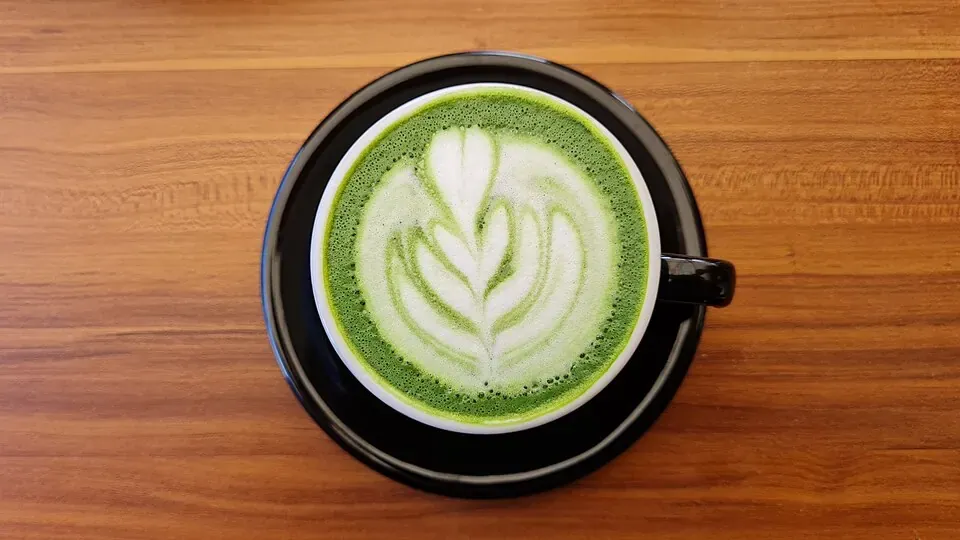
Green tea and matcha
Tea made from unoxidised Camellia sinensis leaves, drunk for alertness and for long-term health claims.
At a glance
- What we know: Green tea is included as a common drink without an outcome assessment here.
- What’s uncertain: The caffeine it contains is better understood than broad health claims; no outcome assessment is published here.
- First step: If you drink it for alertness, note its caffeine content and time it as you would coffee.
- Before you try it: Green tea contains caffeine, which can disturb sleep and worsen palpitations or anxiety in some people. All precautions
Takeaway
Green tea is included as a common drink without an outcome assessment here. The caffeine it contains is the better-understood part of its effect.
Scientific evidence
What the research shows
Outcome assessments based on research, including its uncertainties and limitations.
No outcome assessment published
This entry is an overview. Its background references do not establish whether the practice works.
What people say
Who discusses this?
Public statements, with positions specific to each source and topic. These views do not determine the scientific evidence assessment.
What the research shows ↑No sourced public statements added for this habit yet. This does not mean no one discusses it.
Practical steps and precautions
How to try it
- If you drink it for alertness, note its caffeine content and time it as you would coffee.
- Drinking tea counts towards the fluid guidance assessed elsewhere in this catalogue.
- Be sceptical of claims that a single food or drink carries large health effects.
Precautions
- Green tea contains caffeine, which can disturb sleep and worsen palpitations or anxiety in some people.
- Concentrated green tea extracts have been linked to liver injury; brewed tea is a different product.
Community
Discussion
Have you tried this? What helped or made it difficult?
Reader experiences are separate from the scientific evidence. Explore all discussions
No discussions yet.
Be the first to ask a question or share your experience.
Sign in to vote or join the discussion.
Related habits
Explore other habits in a shared category. Each has its own evidence and precautions.
Editorial history and review method
Revision 3 · Approved for publication · Codex (publication approval explicitly authorized by site owner; category migration)
Prepared and checked with AI. Publication approval does not imply independent expert review. Request a correction.
Evidence semantics migrated: findings now describe doing the habit, evidence basis is explicit, and the catalogue card uses an editorially selected claim. Basic coverage: contains no outcome claims; caffeine content and extract-related liver signal noted as precautions. Publication release 2026-10-04: site owner authorized a bounded AI audit and release of this exact revision. See docs/release-audit-2026-10-04.md for source-check findings and limits. No independent health-professional or peer review is claimed. Category migration 2026-10-04: removed the separate goals field; categories: Nutrition, Energy → Nutrition, Energy, Long-term health. Research assessments, sources, guidance, precautions, and evidence review dates are unchanged. This revision awaits publication approval; no new evidence review is claimed. Publication approval 2026-10-04: site owner explicitly accepted all current category-migration revisions for deployment and requested that remaining limitations be retained in docs/content-review-backlog.md. Approval applies to this exact content revision. No new evidence review, independent expert review, or clinical validation is claimed; existing precautions and disclosures remain in effect.