Skip to content
Back to results

Binaural beats

Two slightly different tones presented separately to each ear, producing the perception of a rhythmic beat.

At a glance

  • Evidence: One meta-analysis reported a favorable pooled effect, while its study-level review found conflicting results across attention and memory tasks.Attention and memory performance · Limited certainty · Indirect evidence
  • What’s uncertain: Protocols and tasks vary, and study-level attention and memory results conflict; the pooled finding may not predict a practical benefit.
  • First step: If you try it, use a comfortable volume and treat the session as an optional background condition, not a treatment.
  • Before you try it: Do not use headphones where reduced environmental awareness would be unsafe. All precautions

Takeaway

Evidence for improving attention or memory is mixed. Some pooled results look favorable, but study methods and results vary enough that a reliable everyday benefit is not established.

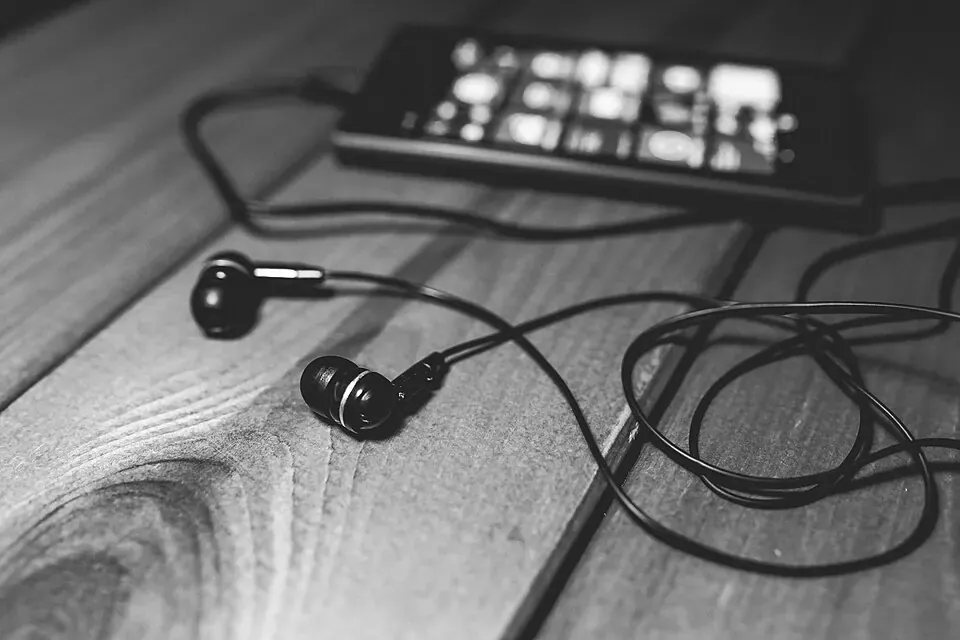
Music headphones on a desk
FocusSleepStress & wellbeing10–20 min · Easy · Free
Reviewed Sep 23, 2026
Save

Scientific evidence

What the research shows

Outcome assessments based on research, including its uncertainties and limitations.

Attention and memory performance

Finding: Mixed evidenceCertainty: Limitedstudies disagree, or the effect depends on who is studied

Evidence basis: indirect evidence, not a direct test of this exact habit

One meta-analysis reported a favorable pooled effect, while its study-level review found conflicting results across attention and memory tasks.

Population: Mostly small experimental studies in varied adult populations.

Research details

Summary

One meta-analysis reported a favorable pooled effect, while its study-level review found conflicting results across attention and memory tasks.

Why this certainty

A quantitative signal exists, but heterogeneity and conflicting study-level findings limit confidence and relevance. The evidence basis is recorded as indirect because the retrieved record does not state whether the 15 included studies randomised participants and the journal version is paywalled, so a direct experimental basis could not be confirmed from the material retrieved; this is the one field a reviewer with full-text access should settle.

Limitations

Protocols, frequencies, comparison conditions, tasks, and study quality vary; an aggregate result may not predict a practical effect for a particular task. The review's own conclusion is more positive than this entry's, describing growing evidence that binaural beats improve attention and memory while calling for more research with robust study designs.

Effect estimate

Overall pooled Hedges’ g 0.40 across 31 effect sizes in one review; interpret cautiously because findings conflicted across tasks.

Cognition through changes in arousal

Finding: Insufficient direct evidenceCertainty: Very limitedthis has not been directly tested

Evidence basis: indirect evidence, not a direct test of this exact habit

Evidence directly linking autonomic changes from auditory stimulation to better cognitive performance is insufficient.

Population: Participants in heterogeneous auditory-stimulation studies.

Research details

Summary

Evidence directly linking autonomic changes from auditory stimulation to better cognitive performance is insufficient.

Why this certainty

The systematic review found mixed or insufficient evidence and an indirect link between the proposed mechanism and meaningful performance.

Limitations

Physiological and cognitive outcomes were often studied separately, leaving the proposed mechanism indirect.

What people say

Who discusses this?

Public statements, with positions specific to each source and topic. These views do not determine the scientific evidence assessment.

What the research shows ↑

No sourced public statements added for this habit yet. This does not mean no one discusses it.

Practical steps and precautions

How to try it

  1. If you try it, use a comfortable volume and treat the session as an optional background condition, not a treatment.
  2. Compare it with silence or ordinary audio for the same task before deciding whether it helps you.

Precautions

  • Do not use headphones where reduced environmental awareness would be unsafe.
  • Stop if the audio causes discomfort, headache, or distress.

References

Potential of binaural beats intervention for improving memory and attention

Basu S, Banerjee B · Psychological Research · 2023

Systematic review and meta-analysisVerified from abstract
Open original source

The effects of music and auditory stimulation on autonomic arousal, cognition and attention

Chee ZJ et al. · International Journal of Psychophysiology · 2024

Systematic reviewVerified from abstract
Open original source

Community

Discussion

Have you tried this? What helped or made it difficult?

Reader experiences are separate from the scientific evidence. Explore all discussions

No discussions yet.

Be the first to ask a question or share your experience.

Sign in to vote or join the discussion.

Explore other habits in a shared category. Each has its own evidence and precautions.

Editorial history and review method

Revision 4 · Approved for publication · Codex (publication approval explicitly authorized by site owner; category migration)

Prepared and checked with AI. Publication approval does not imply independent expert review. Request a correction.

Applied the group-1 audit. arousal-mediated-cognition relabelled Mixed evidence -> Insufficient direct evidence so the field matches both the source ('mixed or insufficient', 'at best indirect') and the entry's own headline. attention-memory keeps evidenceBasis Indirect evidence, with an added certaintyRationale clause recording that the retrieved record does not state whether the 15 included studies randomised participants and that the journal version is paywalled, plus a limitations clause recording the review's own more positive conclusion. Second reviewer must confirm the designs of the 15 studies in Basu 2023 from full text and, if they randomised participants, change evidenceBasis to Randomized intervention. The 2026 theta-band meta-analysis (Fatima et al.) was not added: that is a coverage decision, not a defect. Publication release 2026-10-04: site owner authorized a bounded AI audit and release of this exact revision. See docs/release-audit-2026-10-04.md for source-check findings and limits. No independent health-professional or peer review is claimed. Category migration 2026-10-04: removed the separate goals field; categories: Focus, Sleep → Focus, Sleep, Stress & wellbeing. Research assessments, sources, guidance, precautions, and evidence review dates are unchanged. This revision awaits publication approval; no new evidence review is claimed. Publication approval 2026-10-04: site owner explicitly accepted all current category-migration revisions for deployment and requested that remaining limitations be retained in docs/content-review-backlog.md. Approval applies to this exact content revision. No new evidence review, independent expert review, or clinical validation is claimed; existing precautions and disclosures remain in effect.